Government introduces new cost-of-living measures
Labour government brings in new measures in a bid to relieve millions of households affected by the cost-of-living crisis in recent years.
From 1 April 2026 the government has promised that “wages go up, bills come down” as new reforms are imposed. These include a rise in National Living Wage, cutting energy bills, a freeze in prescription prices and the rollout of the Crisis and Resilience fund.
These measures come amid the conflict in the Middle East which has shown no signs of dying down as the Strait of Hormuz remains blocked, and Prime Minister Keir Starmer is hoping that they will ease the minds of the public: “I want to reassure them that they have a government on their side, working with allies on de-escalation and bearing down on the cost of living.”
The introduction of the Crisis and Resilience fund is crucial at this time as the blockade in the canal sees an increase in oil prices to £89 a barrel, the highest in four years, and with traders assuming the block will continue with no end date in sight this could continue to rise.
The Crisis and Resilience fund allows up to £1 billion in funding for vulnerable households to access heating oil, as well as food and essential items.
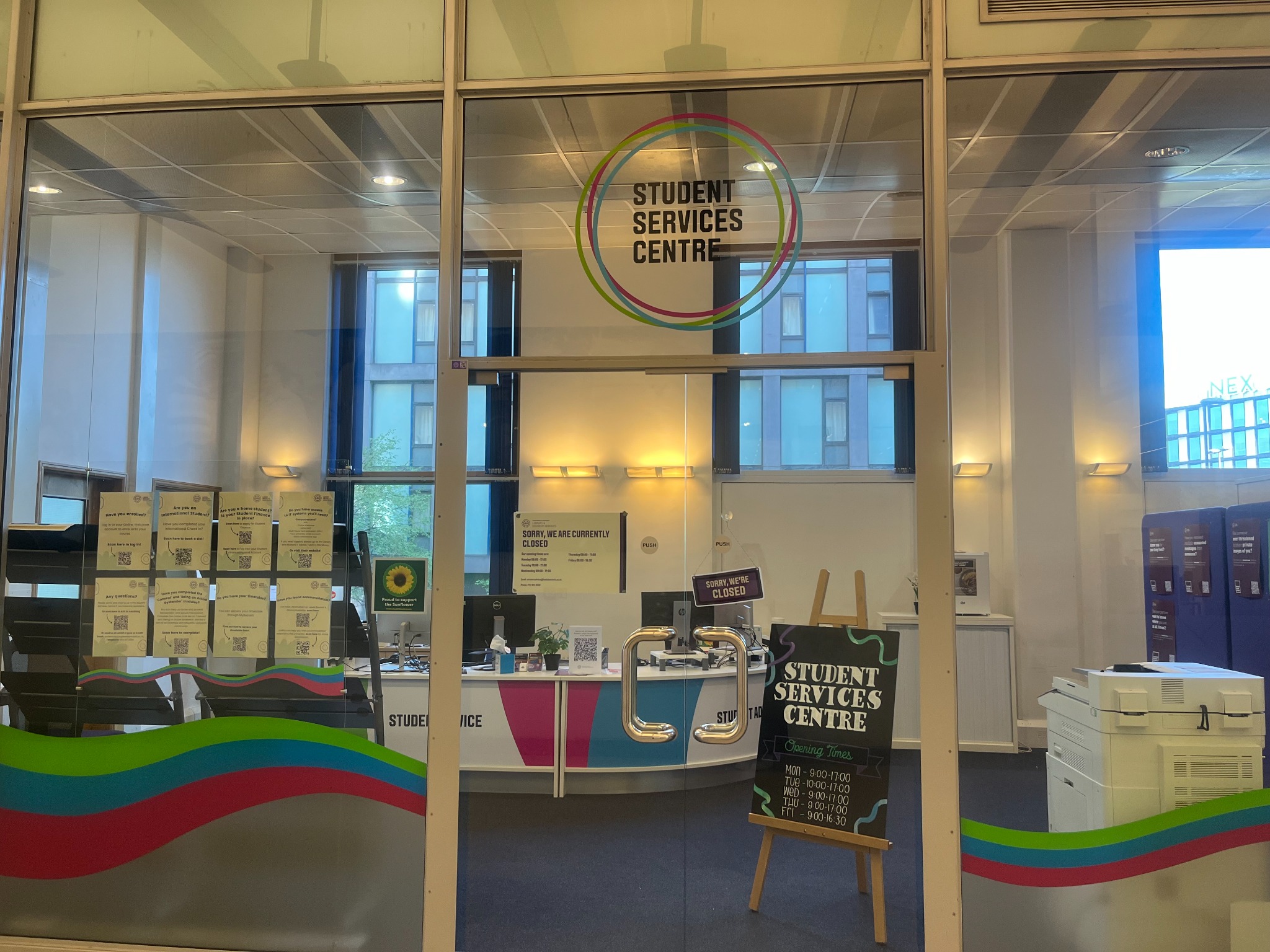
Unlike other financial aids the government offers like Universal Credit, full time university students in Leeds who are suffering due to the cost-of-living crisis can access it through a hardship fund made available to eligible students through their Student Union.
The University of Leeds, Leeds Beckett and Leeds Trinity Unions are widely regarded as top Unions for money advice for students. Former Trinity student Olivia White accessed the services several times throughout her five years at the university.

“It was nice to have somewhere to go for help during all of this. Everything has gotten so expensive the past few years and even with my student loan and working 20 plus hours a week sometimes there still wasn’t enough.
I had an appointment where I got help with budgeting and making a plan for how I was going to make ends meet without adding too much stress on top of my university work, and then got offered support with travel to the Horsforth campus as well as vouchers for groceries.
“Having the help at university made it easier to focus on my work and get my degrees, and I think more people should look into it and know they’re not alone.”
More good news for young people includes the rise in the National Minimum Wage which has increased to £10.85 an hour for over 200,000 workers, and the National Living Wage to £12.71, an increase for over 2.4 million workers.
These increases are higher than the rate of inflation, but due to the cost-of-living crisis unfortunately do still fall under the ‘real living wage’ calculated by the Living Wage Foundation. While it is a step in the right direction, it is expected that living standards will not return to pre-covid levels until 2027/28 and the effects will continue to be felt for years to come.
The measure which will have the most positive impact initially is the cut to energy bills, which will see households saving on average £117 annually, and is being put into effect automatically and will continue until at least the end of June. This cut has been made for every household, and households who meet the requirements can still access other funds such as the Warm Home Discount and Household Support Fund alongside this.
Further good news amid the crisis is the freeze on prescription prices and rail fares until 2027.
While the crisis continues to affect millions across the country, there is hope that these measures will improve quality of life for the public and be a path towards a better living standard for everyone.
Post a comment